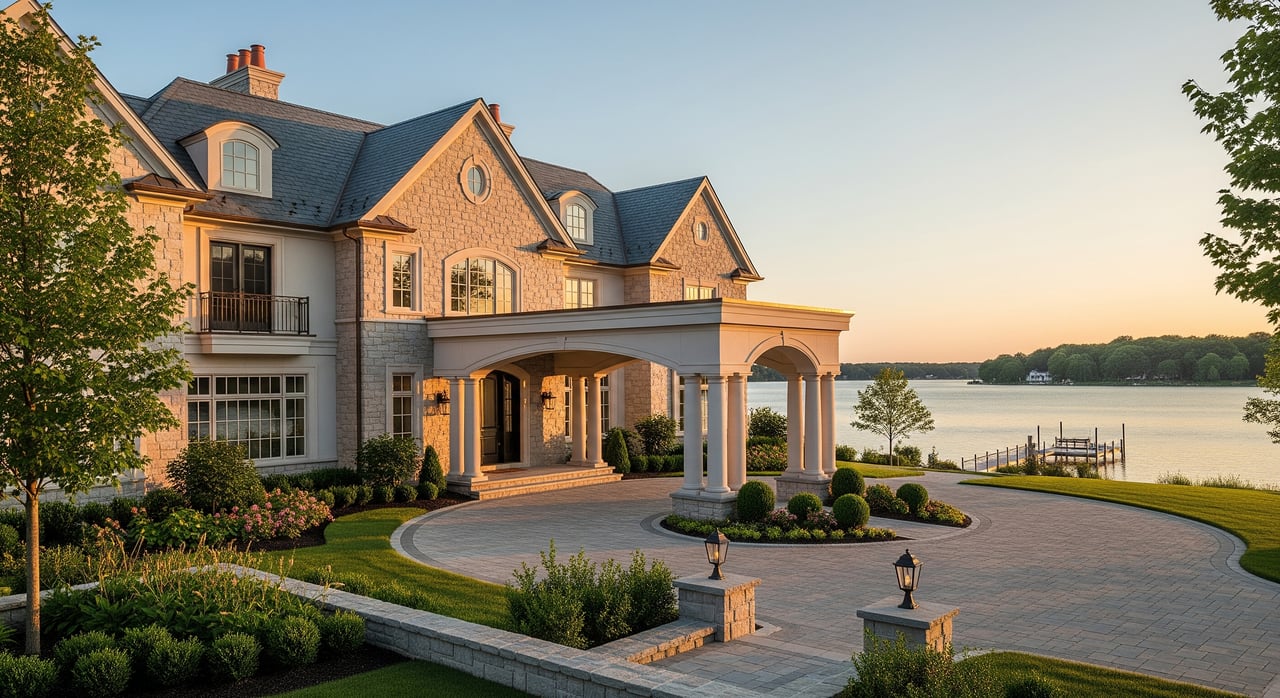
Thinking about selling your Stonewater estate but unsure where to start? Preparing a waterfront property takes planning, documentation, and the right presentation to capture top-tier buyers. You want a smooth process, a confident valuation, and marketing that showcases your shoreline lifestyle without leaving details to chance. This guide gives you a clear 6–18 month plan focused on inspections, staging, permits, HOA documents, and the appraisal-ready packet that helps you sell well. Let’s dive in.
Timing your sale in Northville
Spring typically brings the most buyer activity in Southeast Michigan, with early fall also performing well. Winter can be slower, but low inventory sometimes attracts motivated buyers. If you have 6–18 months, aim to finish major projects so your home can hit the market in spring or early fall.
Confirm whether your property sits in Northville City or Northville Township, since permits and contacts differ. Also identify your HOA or POA, its resale packet requirements, and any rules for docks or shoreline structures. Some associations take weeks to produce resale documents, which can impact timing.
Before setting a list date, review recent sales of Stonewater and nearby waterfront homes. Look at list-to-sale ratios, days on market, concessions, and price per square foot. Pay special attention to comps with similar orientation, shoreline, dock or seawall, and condition.
Month 1: Set your strategy
Start with a valuation discussion that uses recent waterfront comps and property-specific factors like view corridors and shoreline condition. Align on a target list window and the work required to be market-ready.
- Request an approximate net sheet and staging budget so you understand costs and likely proceeds.
- Order a pre-list general home inspection, roof inspection, and dock or seawall assessment.
- Request your HOA resale packet early. Budget time for fees and processing.
A clear plan in month one sets the pace for vendors, staging, and marketing.
Inspections, tests, and disclosures
Strong offers come faster when buyers see clean reports and clear disclosures. In Michigan, you should complete the standard Residential Seller’s Disclosure provided by your broker. If your home was built before 1978, federal lead-based paint disclosures apply, including the required brochure and known information.
Recommended pre-list inspections and tests:
- General home inspection to identify repair items early.
- Roof inspection for age, condition, and remaining life.
- Furnace and A/C service check with documentation.
- Sewer line scope or septic evaluation, as applicable.
- Radon test. Many Michigan areas have elevated levels, and buyers appreciate data or mitigation records.
- Pest inspection if indicated by age, siding, or evidence of activity.
- Chimney and fireplace inspection if used.
- Dock, seawall, and shoreline inspection to document condition and maintenance.
Permits and compliance items:
- Compile permits for additions, decks, enclosed porches, major mechanicals, and shoreline structures.
- Verify whether any shoreline work required permits through state or local authorities and disclose any unpermitted improvements.
- Keep receipts, contractor info, and final inspections together for easy review.
Plan to obtain inspections and schedule corrective work at least 3–6 weeks before listing so you have time for bids, repairs, and follow-up documentation.
Waterfront staging that sells
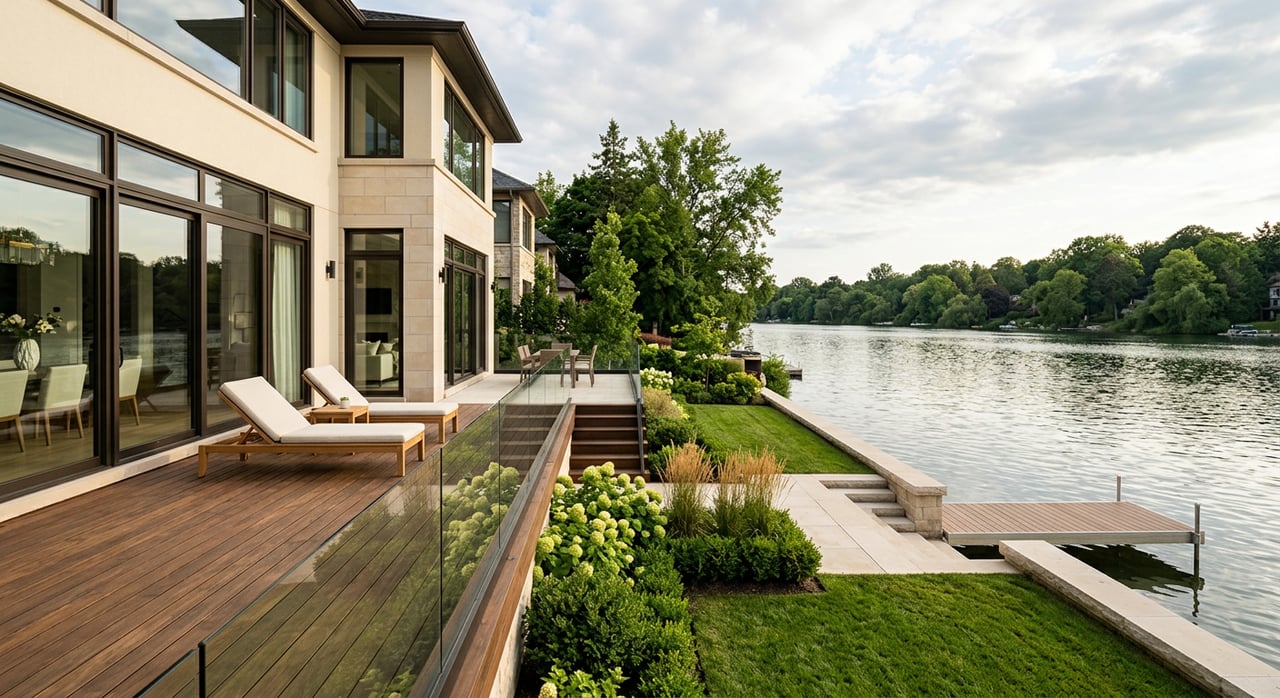
A waterfront estate is about light, flow, and the connection to the water. Your goal is to frame the view from the moment buyers walk in.
Showcase the view
- Remove heavy drapes, clear window sills, and arrange seating to face the water.
- Create sightlines from the entry to the shoreline by opening doors and simplifying furniture layouts.
- Use a consistent, neutral color palette so light carries through rooms and the view becomes the focal point.
Outdoor living and shoreline
- Stage a clean, inviting seating area on the deck or patio facing the water.
- Mow, trim, and remove overgrowth that blocks views. Keep pathways tidy.
- Clean the dock, secure loose boards, and remove hazards. If work is needed, disclose it and provide repair quotes.
Seasonal specifics
- Spring: power-wash siding, clear gutters, and remove winter debris.
- Winter: remove snow promptly, keep walkways safe, and use warm interior lighting while maintaining exterior sightlines.
Photography and marketing assets
- Schedule professional interiors that emphasize the water and the flow to outdoor spaces.
- Capture dusk or golden-hour images to highlight reflections and ambiance.
- Use drone photography and aerials to show lot orientation and shoreline context, subject to any HOA or municipal rules.
- Add a virtual tour and a measured floor plan to help remote buyers understand layout and scale.
Build the appraisal and buyer packet
Your documentation packet is a strategic tool. It answers questions before they become objections and helps appraisers attribute value to improvements.
Include both digital and printed copies of:
- Home summary sheet: year built, square footage per assessor, lot size, bed/bath count, mechanical systems, roof age, utilities, and HOA contact/fees.
- Chronological list of improvements with dates, contractor names, invoices, and permit numbers.
- Copies of permits and finals, plus any engineer or shoreline reports.
- Warranties and manuals for appliances, HVAC, windows, and roofing.
- Recent utility bills for the last 12 months, especially if you upgraded efficiency.
- Before-and-after photos of major work from the last 3–5 years.
- HOA resale packet or receipt, a brief summary of rules, and any specials or pending assessments.
- Survey or plot plan that shows lot lines and dock location, plus any variances or easements.
- Inspection and test reports for radon, sewer/septic, roof, chimney, and shoreline.
- Recent closed comparable sales or prior appraisals you may have on file, without drawing pricing conclusions.
Appraisers focus on closed comps, condition, quality, and functionality. Clear evidence of permitted improvements and well-maintained shoreline features helps them assign value confidently. For waterfront homes, documentation of legal shoreline access, dock condition, and any required permits is especially important.
Your 6–month runway
If you plan to list in about six months, follow this sequence for a smooth launch.
- Month 1: Align on valuation and timing. Order general, roof, and dock/seawall inspections. Request HOA resale packet.
- Month 2: Prioritize health and safety items and visible repairs. Get multiple bids where appropriate and secure vendor dates.
- Month 3: Complete repairs. Start decluttering, donate or consign extra furniture, and begin your documentation packet. Schedule radon test and any sewer scope.
- Month 4: Deep clean. Paint high-traffic rooms in neutral tones. Stage key rooms to highlight the view corridors. Tidy landscaping and clean dock areas.
- Month 5: Book professional photos, drone, virtual tour, and floor plan. Finish touch-ups. Print and organize your buyer/appraiser packet.
- Month 6: List, ideally in spring if possible. Offer flexible showing windows and consider an open-house strategy if desired.
Planning 9–18 months out
A longer timeline lets you tackle higher-impact projects. Focus on updates that align with local waterfront comps and buyer expectations.
- Consider a targeted kitchen refresh, primary bath modernization, or replacement windows if these match neighborhood ROI trends.
- Time larger renovations to finish just before listing so the home shows fresh and move-in ready.
- Review comps with an agent or appraiser familiar with Northville waterfront sales to avoid over-investing in niche features.
Quick-turn strategies to shorten days on market
- Complete a pre-list inspection and handle repairs up front.
- Stage the key rooms and outdoor spaces to highlight lifestyle.
- Present a clean documentation packet on day one.
- Price competitively using recent waterfront comps.
- Use marketing that targets waterfront buyers, including drone and clear maps of shoreline context.
Avoid common pitfalls
- Unpermitted work: if you know work was done without permits, disclose it. Where feasible, seek retroactive permits or inspection sign-offs.
- Dock and shoreline surprises: disclose issues early, attach quotes, and clarify maintenance responsibilities.
- HOA delays: request resale packets early and budget the lead time.
- Flood zone status: verify your designation and gather elevation certificates or insurance info, if relevant, so buyers and lenders have clear answers.
How Proper Real Estate supports your sale
You deserve data-informed strategy and elevated presentation. Proper Real Estate pairs valuation expertise with curated marketing and a vetted vendor network to make your preparation process efficient and your listing compelling.
- Precise valuation: appraisal-informed pricing and comp analysis tailored to waterfront assets.
- Concierge coordination: access to a preferred roster for inspections, repairs, staging, photography, drone, and virtual tours.
- Premium presentation: professional media, floor plans, and storytelling that centers the shoreline experience.
- Global reach: syndication for qualifying listings through an international network while maintaining local, high-touch service.
Ready to talk strategy for your timing, budget, and goals? Request a private consultation with Proper Real Estate.
FAQs
Will a pre-list inspection help me get a better price on a Stonewater home?
- It reduces unknowns, speeds negotiations, and helps prevent price cuts during buyer inspections, which is especially useful when lenders and insurers scrutinize docks and seawalls.
Do I need to disclose dock or shoreline issues when selling in Northville?
- Yes. Disclose known defects and whether shoreline structures were permitted, and provide repair estimates if work is needed.
What upgrades deliver the best ROI for Stonewater waterfront properties?
- Strong maintenance, fresh paint, staged outdoor living, and a well-documented, functioning dock or seawall usually build buyer confidence more than niche luxury remodels.
Should I seek permits for older work done without them?
- Disclose the history and, if possible, obtain retroactive permits or inspections. Lack of permits can reduce buyer and appraiser confidence.
Does flood zone status affect my sale?
- Yes. Buyers and lenders ask about floodplain designation and insurance. Have elevation certificates, maps, or quotes available if applicable.
When is the best time to list a Stonewater estate?
- Spring is typically strongest in Southeast Michigan, with early fall also solid. If winter is necessary, lean on interior staging and full digital marketing to reach motivated buyers.