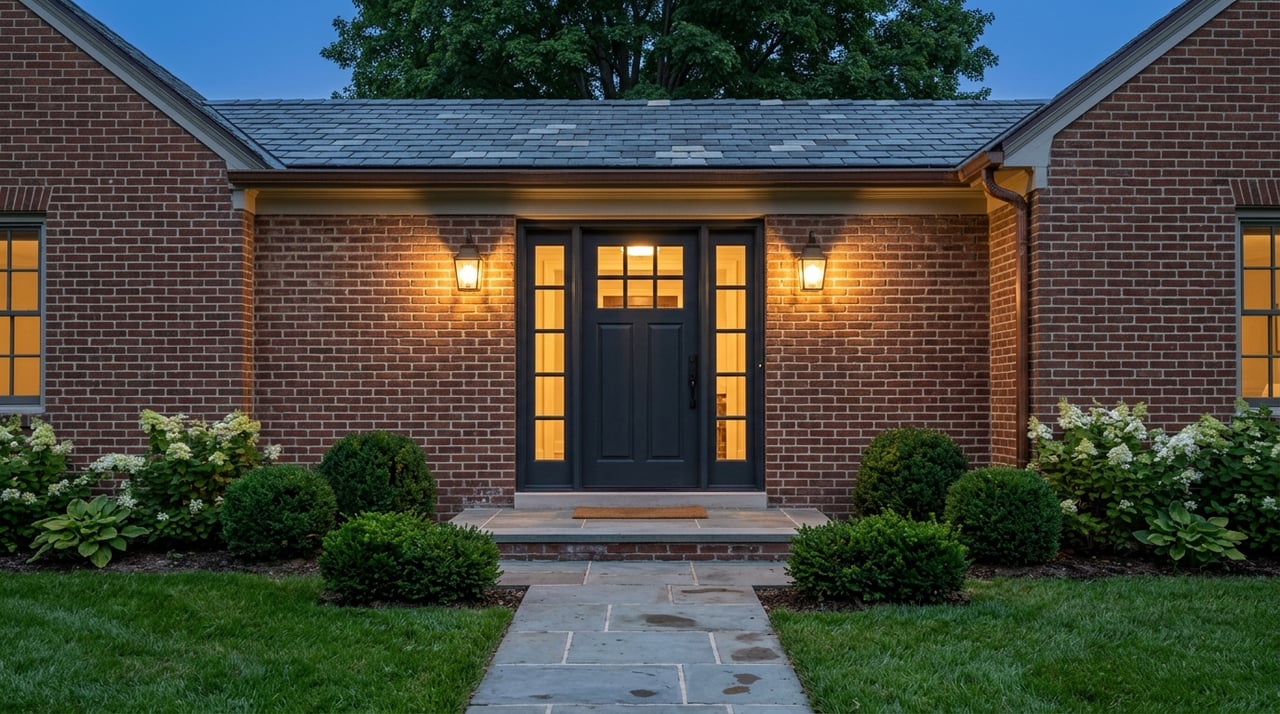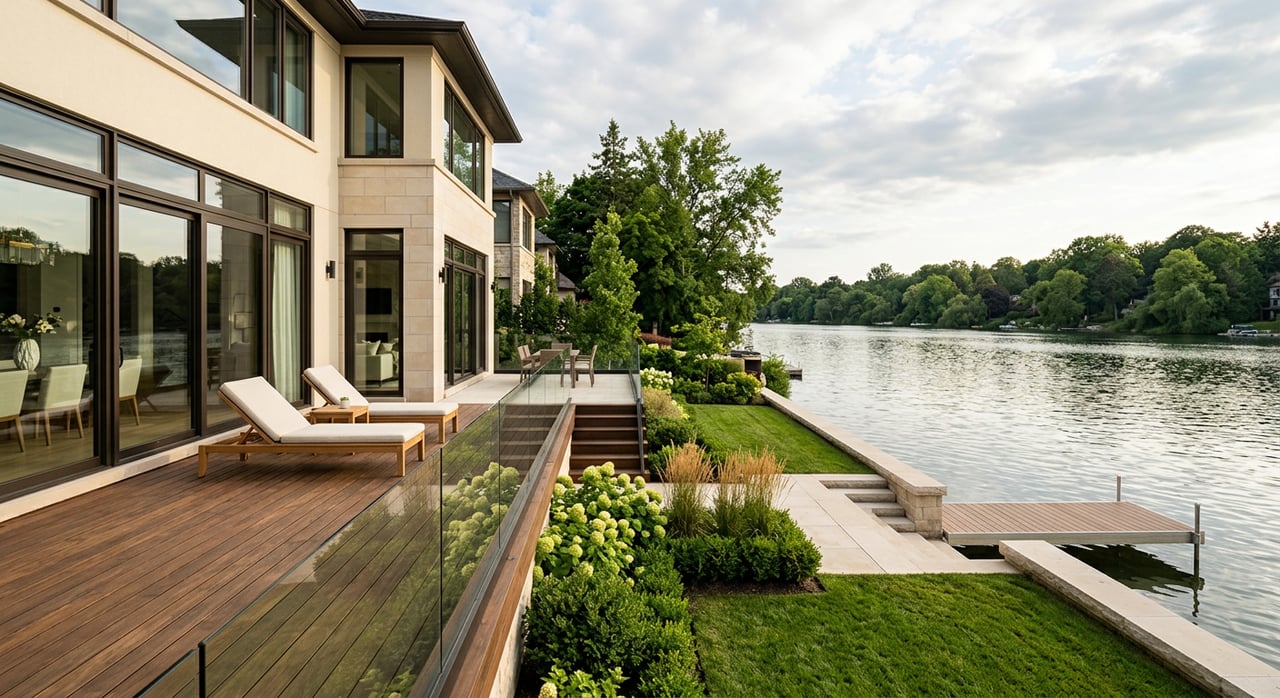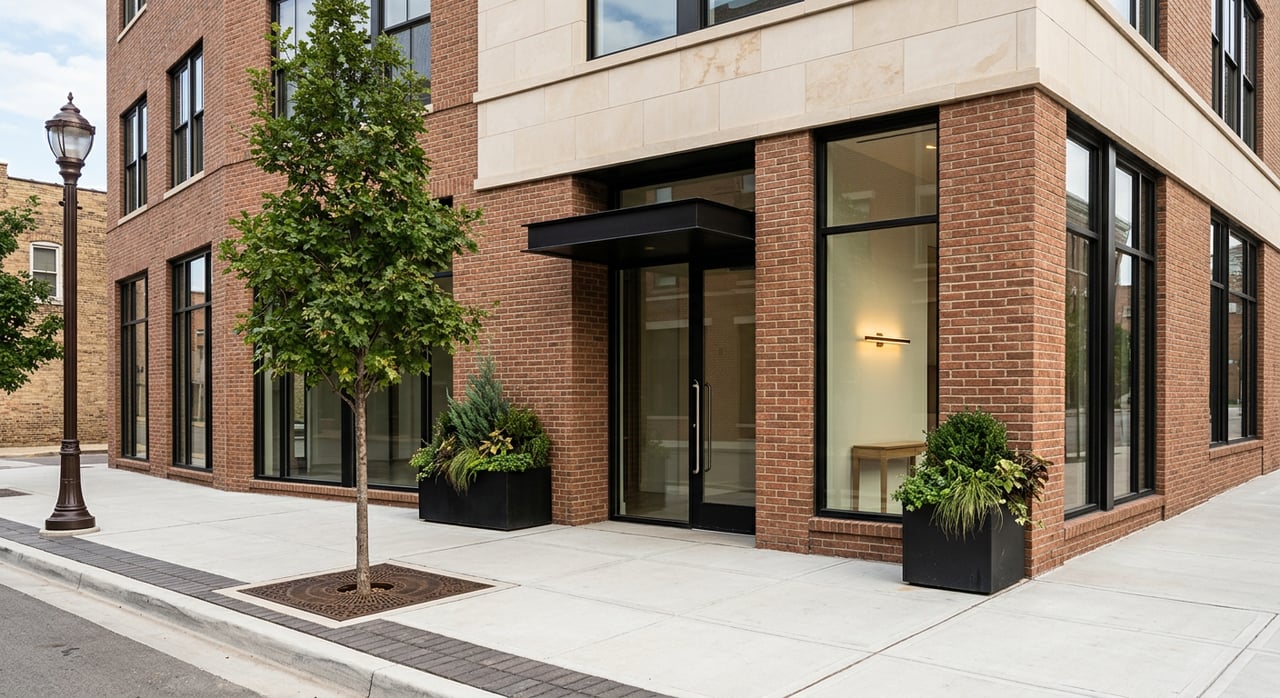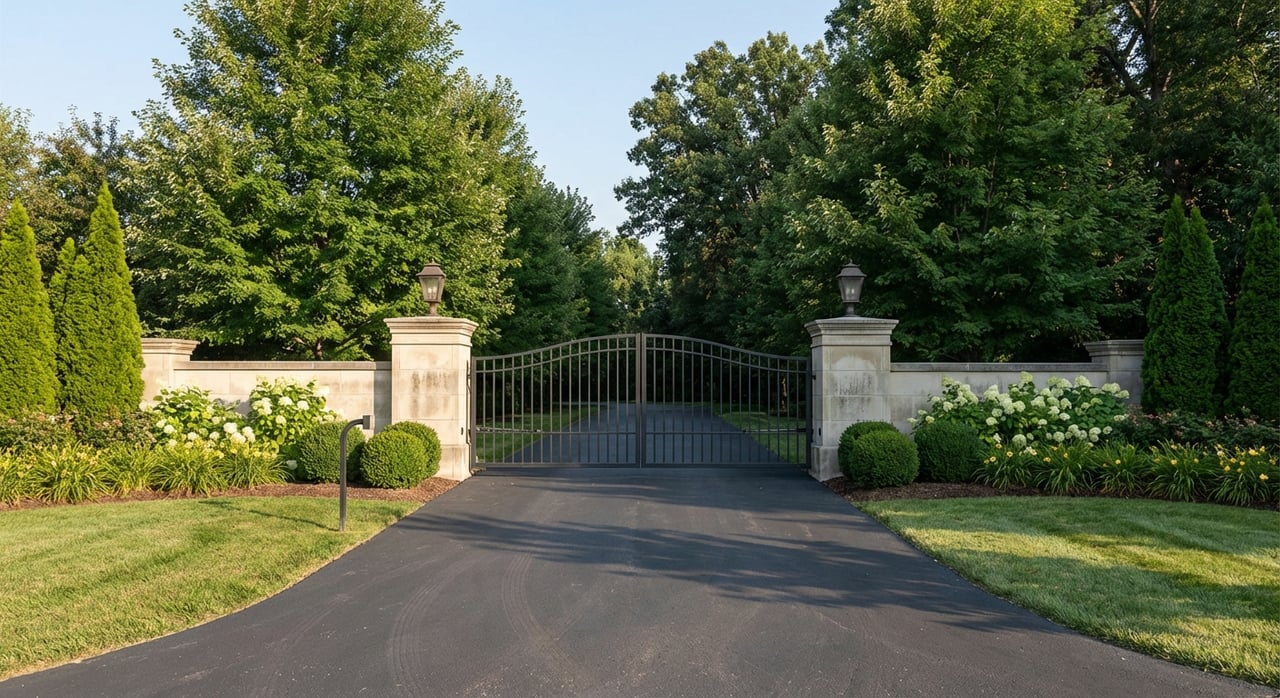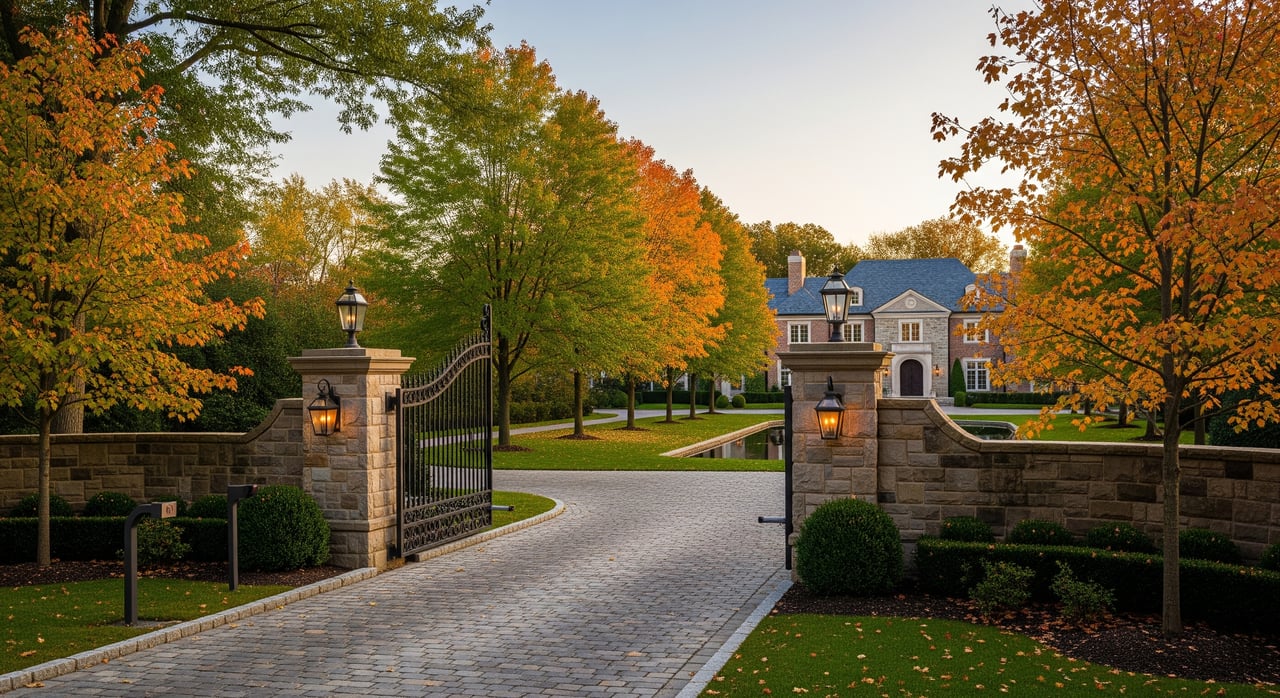
Thinking about life behind a gate in Novi? You are not alone. Many buyers are drawn to the mix of privacy, curated streetscapes, and on-site amenities that gated living can offer. If you value convenience and a refined setting near great shopping and major corridors, a gated community might fit your lifestyle. In this guide, you will learn how these neighborhoods work in Novi, what fees cover, which documents to review, and how to weigh long-term value before you buy. Let’s dive in.
Gated living in Novi
Gated communities in Novi are residential neighborhoods with controlled entry. Gates can be staffed or automated and often include cameras or electronic access. These developments are typically managed by a homeowners association that also maintains private infrastructure and shared amenities.
In Novi, gated options can range from luxury single-family enclaves to upscale condominium or townhome settings. Buyers choose them for privacy, uniform aesthetics, reduced exterior maintenance, and access to amenities like a clubhouse or fitness center. Location also matters. Proximity to I-96, I-275, and the M-5 corridor, as well as Twelve Oaks Mall and nearby corporate campuses and hospitals, often influences which communities feel most convenient for you.
Where you will find them
Novi and its nearby areas feature a handful of luxury gated enclaves. Communities such as Bellagio and Tuscany Reserve are commonly cited in the local conversation. Product types, fees, and amenities vary by neighborhood, so verify all current HOA rules, budgets, and services through official documents or the listing agent.
Some neighborhoods have a master association and one or more sub-associations. For example, a master group may operate the gate and private roads while a sub-association manages a condominium building or a cluster of homes. Understanding the structure upfront helps you budget and plan.
How HOAs work and what to review
Gated developments in Novi are typically governed by an HOA or a master association with sub-associations. The association’s recorded documents outline responsibilities, rules, and owner obligations. Before you commit, request the full set of materials and time to review them.
Key documents to review
- CC&Rs or Declaration: architectural controls, use restrictions, and maintenance responsibilities.
- Bylaws and Articles: board composition, elections, and meeting procedures.
- Budgets and Financials: current budget plus 12 to 24 months of profit and loss statements.
- Reserve Study and Balance: forecasts for gates, roads, pools, and other capital items.
- Insurance Summary: master policy coverage versus owner responsibilities.
- Meeting Minutes: the past 12 to 24 months for issues, vendor disputes, and planned projects.
- Resale Disclosures: estoppel letter or certificate for assessments, violations, and liens.
- Rules and Regulations: parking, guests, modifications, rentals, pets, and noise.
- Vendor Contracts: landscaping, snow removal, gate security, trash, pool management.
Red flags to watch
- Low reserves combined with big upcoming capital needs or frequent special assessments.
- Ongoing or recent litigation involving the association.
- Unclear language about who maintains private roads, gates, or lighting.
- Sudden rule changes or restrictive rental policies that conflict with your plans.
- Concentrated ownership or ongoing developer control that distorts voting power.
Fees, assessments, taxes, and insurance
HOA fees can be monthly, quarterly, or annual. In gated communities, fees commonly cover gate operation, private road maintenance, landscaping, snow removal on private drives, common-area insurance, and amenities like a pool or clubhouse. In condo settings, exterior building maintenance can also be included.
If there is a master association plus a sub-association, you may pay two separate fees. Clarify exactly what each fee covers so you are not surprised later. Ask for a line-item budget and recent financials so you can see how funds are allocated.
Reserves and special assessments
Healthy reserves are essential for capital items such as gate equipment, asphalt, and pool surfaces. Review the latest reserve study and compare the recommended funding to the actual reserve balance. If reserves are low, ask about the likelihood of special assessments and the recent assessment history.
Insurance considerations
Understand what the master policy covers versus what you must insure personally. In single-family gated subdivisions, you typically maintain a standard homeowners policy for the dwelling and interior. In condos, the master policy often covers the building envelope and shared elements, while you carry an HO-6 for interiors and personal property. Ask for the insurance summary and any claims history the association can share.
Property taxes and closing costs
Property taxes follow Oakland County assessments and Novi millages. Being behind a gate does not change tax classification, though a premium location and amenities can influence assessed value. At closing, plan for HOA transfer or estoppel fees and any required escrow deposits. Your agent can help you budget for these items early in the process.
Amenities, privacy, and maintenance trade-offs
Novi’s gated neighborhoods often offer a blend of security features and lifestyle amenities. Think staffed gatehouses or electronic access, plus recreational options and curated grounds.
Common amenities include:
- Security features such as gatehouses, camera monitoring, and key fob access.
- Recreation like pools, fitness centers, tennis or pickleball courts, and walking paths.
- Exterior services including landscaping, irrigation, private road care, snow removal, and lighting.
- In higher-end settings, potential concierge or package support.
Privacy and security
Controlled entry can reduce casual through-traffic and may deter opportunistic crime. That said, gates are not a guarantee. Policies vary by community and staffing may not be 24/7. If security is a priority, ask about staffing hours, camera coverage, and how visitors are processed. You can also request recent incident information from the association or public sources.
Maintenance trade-offs
You gain time when the association handles exterior work and amenity upkeep. In return, you accept design standards and an approvals process for exterior changes. You will also pay for shared services whether or not you use every amenity. On private roads, proper budgeting for snowplowing and repairs is critical to protect both convenience and long-term value.
Lifestyle fit questions
- Do you prefer privacy and controlled access over spontaneous neighborhood activity?
- How much will you use shared amenities compared with private features on your lot?
- Are you happy delegating exterior maintenance, or do you want full control over landscaping and finishes?
- Do you plan to rent seasonally or long term? Many luxury HOAs cap rentals or set minimum lease terms.
Resale and marketability in Novi
Gated status can attract buyers who value privacy, security, and amenities. These preferences can support price premiums in certain segments. Resale still depends on broader factors such as association health, local demand, commute corridors, school considerations, and the condition of shared assets.
Appraisers will prioritize comparable sales in the same micro-market. If your community is unique, comparable data may come from nearby gated enclaves or high-end non-gated neighborhoods, which can complicate valuation. Well-maintained common areas and strong reserves support appraisals, while deferred maintenance or surprise assessments can weigh on value.
Primary buyer segments often include downsizers seeking low-maintenance luxury, relocating executives, families who prefer controlled access, and second-home buyers who want lock-and-leave convenience. When you sell, highlight your HOA coverage, amenities, and proximity to Novi’s retail and commute routes. Ask your agent and title team for recent comparable sales, the association’s resale disclosure timeline, and any transfer fees or pending litigation that could appear on title.
Due diligence checklist for touring Novi gated communities
Use this practical checklist to protect your time and budget.
Before touring or offering
- Request CC&Rs, bylaws, rules, budgets, financials, reserve study, insurance summary, minutes, and the estoppel disclosure.
- Verify all fees and what each includes, especially if there is a master association.
- Confirm whether roads are private or public and who maintains gates and lighting.
- Review rental caps, pet policies, exterior modification approvals, and guest parking rules.
- Look at sale history and time on market for the community and nearby luxury areas.
- Ask for records of major repairs, such as gate replacements or road resurfacing.
- If security matters, confirm staffing hours, camera placement, and visitor protocols.
Inspection and contingencies
- Include a contingency to review HOA documents with the right to cancel for undisclosed assessments or litigation.
- Hire an experienced home inspector and consider an attorney familiar with Michigan HOAs and condos to review documents.
- Consider a reserve adequacy analysis if reserves seem small relative to capital needs.
Post-offer next steps
- Confirm the timing for the estoppel letter and any required HOA forms.
- Budget for move-in fees, deposits, or documentation the HOA requires.
- If you have specific needs like RVs or boats, verify storage policies and visitor parking.
How Proper Real Estate guides your decision
You deserve a clear, data-informed path to the right fit. As a boutique team focused on Novi and the western suburbs, Proper Real Estate pairs valuation expertise with white-glove service. The team’s backgrounds in appraisal, economics, and engineering support precise pricing, document analysis, and level-headed negotiation.
Here is how we help you buy with confidence:
- Valuation and comps: neighborhood-level analysis to benchmark gated versus non-gated luxury options.
- HOA diligence support: coordination to obtain CC&Rs, budgets, reserve studies, and insurance summaries so you can review early.
- Risk screening: attention to reserves, assessment history, and vendor contracts to flag budget or service risks.
- Lifestyle matching: guidance on amenities, commute routes, and neighborhood feel so you can weigh trade-offs.
- Concierge coordination: access to a trusted vendor network for inspection, legal review, and move-in planning.
If you are weighing gated living in Novi, an expert, low-friction process makes all the difference. Request a private consultation to align your goals with the right community and the right home.
Ready to take the next step? Connect with Proper Real Estate to Request a Private Consultation and Valuation.
FAQs
Are Novi gated communities safer than non-gated areas?
- Gates can reduce casual traffic and may deter opportunistic crime, but they are not a guarantee; ask about staffing, cameras, visitor procedures, and recent incident information.
Do HOAs maintain gates and private roads in Novi?
- Typically the HOA maintains private roads and gates; confirm ownership and maintenance responsibilities in the documents since public roads are maintained by the municipality.
Will HOA fees be higher in gated communities?
- Fees often include gate operations, private road care, landscaping, snow removal, and amenities, and there may be both master and sub-association fees depending on the structure.
Can I rent out my home in a Novi gated neighborhood?
- Many luxury HOAs impose leasing rules or rental caps; verify minimum lease terms and any caps in the CC&Rs and rules before you buy.
What should I look for in HOA financials?
- Review the reserve study, reserve balance, recent assessment history, insurance summary, and 12 to 24 months of financials and minutes for signs of deferred maintenance or litigation.