Wondering whether a downtown Plymouth condo or a historic Plymouth home is the better fit for your lifestyle? It is a smart question, especially in a market where location, upkeep, architectural style, and long-term flexibility can shape your day-to-day experience as much as the price itself. If you are weighing walkable luxury against classic character, this guide will help you compare the trade-offs with more clarity. Let’s dive in.
Plymouth Living Starts With Place
In Plymouth, the condo-versus-historic-home conversation is really about two different ways of living in the city. Downtown Plymouth centers around Kellogg Park, which serves as the civic, social, and commercial heart of the city. According to the City of Plymouth Downtown Development Authority, downtown is a walkable, pedestrian-oriented district, and events around the square draw more than one million people each year.
Historic residential areas tell a different story. The city notes that what is now known as Old Village became the new center of town in 1871, and today it remains one of Plymouth’s major historic areas. The city’s master plan describes Old Village as a traditional grid neighborhood with a mix of single-family homes, duplexes, triplexes, apartment buildings, and condominiums.
That matters because your decision is not just about square footage or finishes. It is also about whether you want to live in a denser, downtown setting or in a more yard-oriented residential block with a different rhythm and streetscape.
Why Buyers Choose Downtown Condos
Luxury condos near Kellogg Park tend to appeal to buyers who want convenience built into daily life. If you value being able to step out your front door and be close to shops, dining, events, and public gathering spaces, downtown condo living offers a strong lifestyle argument.
Recent local examples show why buyers often pay a premium for that location. Research snapshots from the Plymouth condo market reported 41 condos for sale at a median listing price of $500,000, while the broader Plymouth market showed a median sale price of $468,550 in February 2026, with homes spending a median of 19 days on market.
Condo convenience is a real advantage
One downtown example at 730 Penniman Ave sold for $400,000 in November 2025 and included geothermal heating and cooling, in-unit laundry, a climate-controlled parking garage, and a balcony across from Kellogg Park. Another unit in the same building sold for $375,000 in September 2025. Those details help explain why buyers looking for a lock-and-leave lifestyle often focus on buildings close to the park.
Beyond location, condos can simplify ownership. In many cases, shared maintenance means you may have less direct responsibility for exterior upkeep than you would with a detached home. For busy professionals, downsizers, or buyers who travel often, that can be a meaningful benefit.
Condo pricing can vary more than expected
Not all condos are priced strictly by size. In the same downtown building, nearby unit estimates ranged from the high $300,000s to above $500,000, with one unusual unit estimated above $1 million. That suggests factors like floor plan, view, level, and building position can influence value as much as raw square footage.
If you are shopping in this segment, it helps to look beyond the list price. A well-positioned unit with parking convenience, a park-facing balcony, or a rarer layout may command stronger demand than a similar-sized unit without those features.
What to Know About Condo Ownership
The biggest practical difference with a condo is that ownership is shared in certain ways. Under Michigan condominium law, associations are required to maintain a reserve fund for major repairs and replacement of common elements. Bylaws also govern maintenance responsibilities and access for common elements.
For you, that usually translates into a trade-off. You may take on less personal responsibility for roofing, exterior maintenance, or shared systems, but you also become more dependent on HOA dues, reserve health, and the possibility of special assessments. In some cases, repairs tied to limited common elements can be assigned to a specific unit unless the condo documents say otherwise.
Condo buyers should review these items
Before you buy a luxury condo in Plymouth, it is worth reviewing:
- Monthly HOA dues
- Reserve funding levels
- Recent or upcoming special assessments
- Rules on maintenance and repairs
- Parking and storage arrangements
- Any limits on exterior changes or building access
This is where a data-informed review matters. A condo may offer easier living, but the financial structure behind the building is part of the purchase decision.
Why Buyers Choose Historic Homes
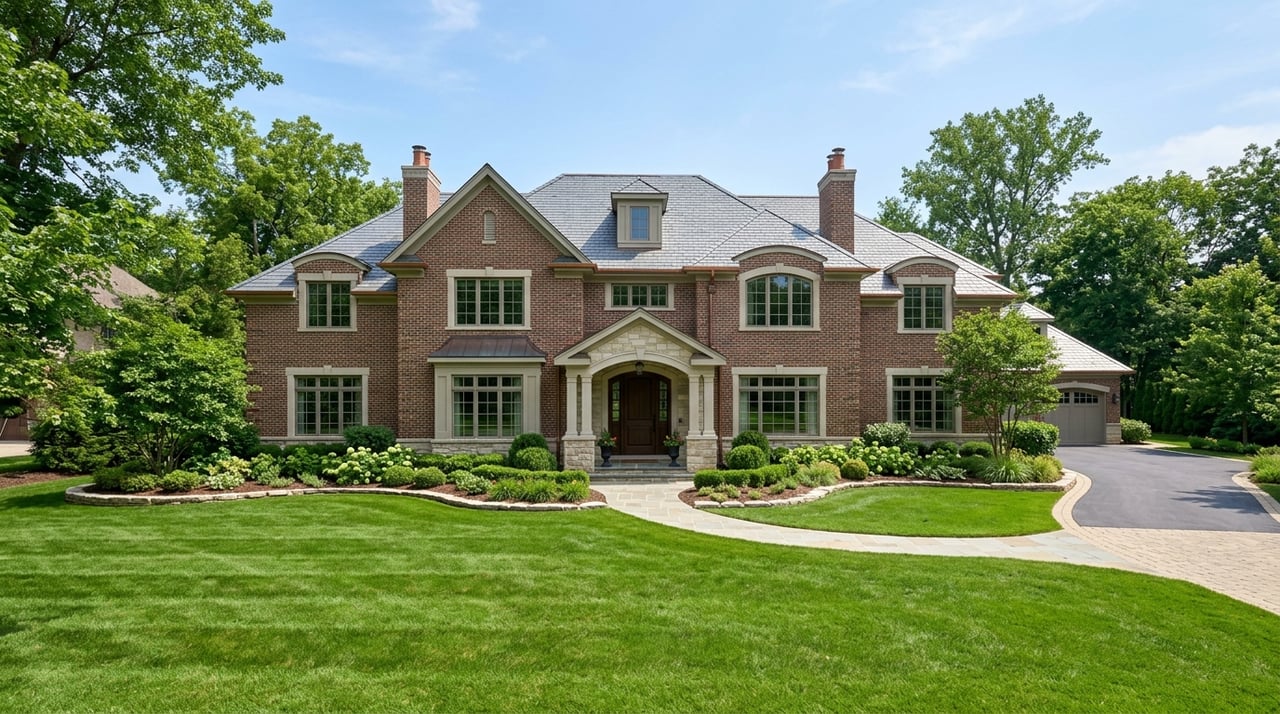
If condos offer efficiency and convenience, historic homes often offer something less standardized and more personal. Plymouth’s traditional single-family neighborhoods, including parts of the historic core, tend to feature smaller lots, front porches, and detached rear garages, according to the city’s master plan.
That physical layout creates a different living experience. You may have more privacy, more outdoor space, and more freedom over how the property functions day to day. For buyers drawn to architectural detail and individuality, that can be hard to replicate in a condo setting.
Historic homes offer character and flexibility
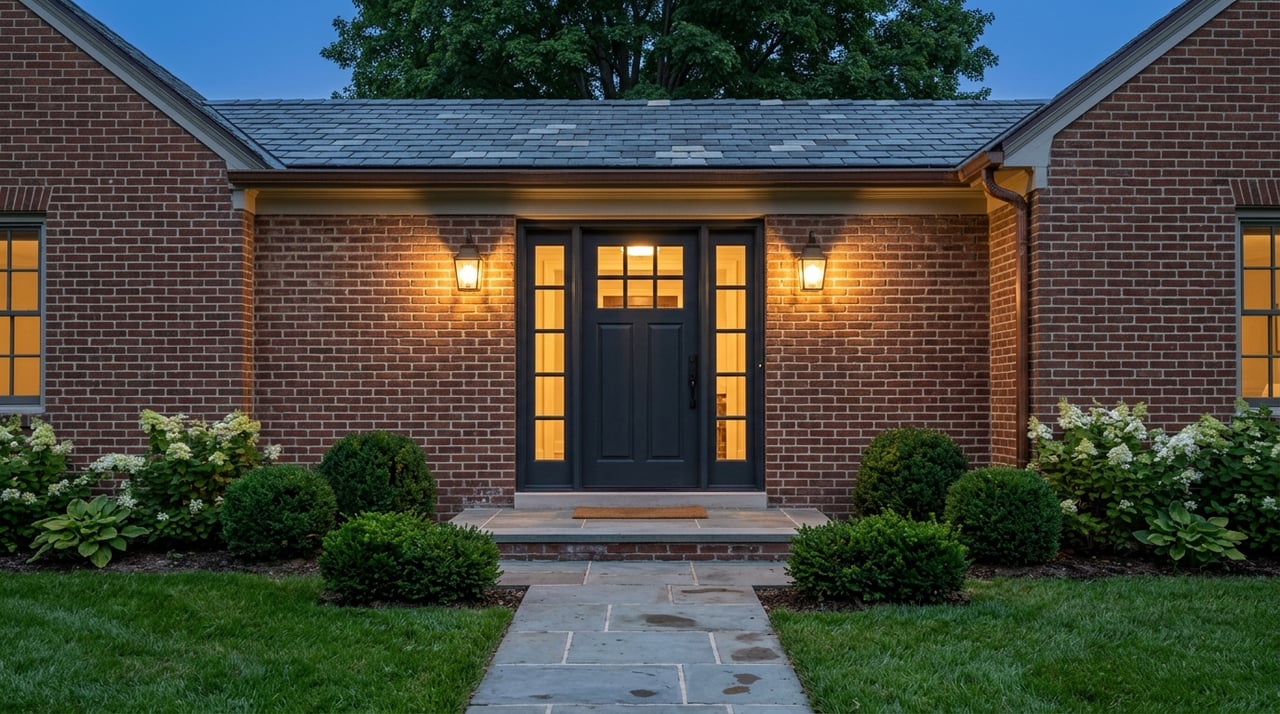
Local examples show how wide the range can be. A restored 1910 home on Penniman Avenue sold for $825,000 in 2020 and had preserved oak pocket doors, period trim, mature landscaping, a detached garage, and a triple-wide driveway. By 2026, its estimated value was about $1.07 million.
At a different price point, a 1914 Craftsman on E Liberty Street in Historic Old Village sold for $320,000 in 2023 and was described as having original hardwood floors and historic trim. These examples show that historic home ownership in Plymouth is not one-size-fits-all. Pricing can vary widely based on condition, scale, updates, lot size, and street location.
What to Know About Historic Ownership
Historic homes come with a different kind of responsibility. If a property is located within the Kellogg Park Historic District, exterior work requires approval from the Historic District Commission before the work is completed.
That review process can apply to windows, doors, roofing, siding, landscaping, lighting, and even paint-color changes. The city reviews applications under local ordinance and the Secretary of the Interior’s Standards for Rehabilitation. For some buyers, that protection of neighborhood character is a plus. For others, it may mean more planning, more time, and potentially higher costs when making exterior updates.
Historic buyers should plan ahead
If you are considering a historic home, it helps to think through:
- Exterior maintenance needs
- Renovation goals and timeline
- Whether district approval may apply
- Ongoing landscaping and yard care
- The cost of preserving older materials and details
A historic property can be deeply rewarding to own, but it usually requires a more hands-on mindset than a downtown condo.
Comparing Lifestyle Trade-Offs
The best choice often comes down to how you want to live, not which property type is objectively better. In Plymouth, both options have a strong case depending on your priorities.
| Priority | Downtown Luxury Condo | Historic Single-Family Home |
|---|---|---|
| Walkability | Strong advantage near Kellogg Park | Varies by street and location |
| Exterior upkeep | Typically lower direct responsibility | Typically higher direct responsibility |
| Privacy | More shared spaces | More private living environment |
| Yard space | Usually limited | Often more outdoor space |
| Architectural character | Depends on building and unit | Often a major draw |
| Renovation control | Limited by HOA and building rules | Greater control, but historic review may apply |
| Shared costs | HOA dues and possible assessments | No HOA in many cases, but direct repair costs |
This framework matches what the local market and city planning documents suggest. Condo living often fits buyers who prioritize walkability, garage convenience, elevator access, and reduced direct maintenance. Historic homes often fit buyers who prioritize privacy, outdoor space, architectural detail, and more control over the property.
What the Market May Be Signaling
Market data in Plymouth suggests buyers continue to value both lifestyle categories, but it also shows why broad averages should be handled carefully. Historic Old Village posted a median sale price of $350,000 in December 2025, up 32.1% year over year, but only three homes sold in that period. That makes it useful as a snapshot, not a stable long-term trend.
By contrast, the broader Plymouth market reported a median sale price of $468,550 in February 2026, up 2.2% year over year. Taken together, the numbers suggest that hyper-local factors such as renovation quality, lot size, and exact location can create major value differences within Plymouth’s historic and condo segments.
For buyers and sellers alike, that is where precise valuation becomes important. A rare downtown condo and a restored historic house may both be considered premium properties, but they respond to different buyer motivations and should be evaluated accordingly.
Which Plymouth Property Type Fits You Best?
A downtown luxury condo may be the better fit if you want a more turnkey lifestyle, easy access to downtown activity, and less hands-on exterior maintenance. It can also make sense if shared amenities and building services align with how you want to live.
A historic Plymouth home may be the stronger choice if you want more privacy, more yard space, and a home with architectural distinction. It may also suit you if you are comfortable managing upkeep and navigating historic-review requirements when needed.
The right answer is usually personal, not universal. Your ideal choice depends on how you weigh convenience, character, maintenance, and long-term flexibility.
If you are comparing luxury condos and historic homes in Plymouth, working with an advisor who can evaluate both lifestyle fit and value can make the decision clearer. Proper Real Estate brings a measured, data-informed approach to helping you understand the trade-offs, assess pricing, and move forward with confidence.
FAQs
What is the main difference between Plymouth luxury condos and historic homes?
- The biggest difference is lifestyle. Downtown condos typically offer walkability and lower direct exterior upkeep, while historic homes often offer more privacy, yard space, and architectural character.
Are downtown Plymouth condos close to Kellogg Park?
- Many of the city’s most notable downtown condo options are near Kellogg Park, which the city identifies as the focal point of downtown Plymouth’s civic and commercial activity.
Do Plymouth condos usually have HOA fees?
- Yes. Condo ownership typically includes HOA dues, and buyers should also review reserve funding, maintenance obligations, and the possibility of special assessments.
Do historic homes in Plymouth require renovation approval?
- Some do. If a home is in the Kellogg Park Historic District, exterior changes may require approval from the Historic District Commission before work begins.
Are historic homes in Plymouth all in the same price range?
- No. Local examples show a wide price range, which reflects differences in condition, size, renovation quality, and location.
Is Old Village only made up of single-family homes?
- No. The city’s master plan describes Old Village as a mixed housing area with single-family homes, duplexes, triplexes, apartment buildings, and groups of condominiums.