You want the ease of suburban living with the calm of the water at your back. Stonewater in Northville delivers that blend with six private lakes, custom homes, and a close-knit HOA that keeps the shoreline and water quality in check. If you are thinking about a waterfront purchase here, you need to understand the lakes, on-water rules, shoreline standards, valuation, and due diligence that protect your investment. This guide walks you through the essentials so you can buy with confidence. Let’s dive in.
What makes Stonewater unique
Stonewater is a luxury, master-planned community in Northville Township organized around six private lakes, restored waterways, parks, and pedestrian paths. The HOA and its Architectural Control Committee oversee shoreline treatments, docks, and exterior changes, and they publish clear rules for use and maintenance of the lakes. You can review lake sizes, rules, and seasonal management on the HOA’s Lakes page at the Stonewater HOA site.
Know the lakes and rules
Lake sizes at a glance
Stonewater’s six private lakes are the neighborhood’s defining amenity. Reported approximate sizes:
- Parkshore: ~28 acres
- Stoneridge: ~25 acres
- Teal: ~23 acres
- Spring Hill: ~20 acres
- Mystic: ~9 acres
- Heather: ~2 acres
Boating, fishing and swim guidelines
- Boating season runs May 1 through October 31.
- Gasoline engines are not allowed. Electric motors up to 3 HP are allowed on Parkshore, Teal and Stoneridge. Spring Hill, Heather and Mystic are non-motorized only.
- The HOA requires catch-and-release fishing and posts swim and safety notices, including treatment-related advisories, on its public pages.
These rules shape daily enjoyment and resale. A quiet, non-motorized lake can feel different than one that allows small electric motors. Match the rules to how you plan to use the water.
Shoreline standards and permits
What the HOA allows
Stonewater has written shoreline standards that you must follow. Allowed treatments include:
- A sand beach strip up to 7 feet landward from the water’s edge
- A parallel 3-foot row of 2–4 inch cobblestones or cobble-only designs
- Limited boulder or wall elements up to about 18 inches high with minimum boulder size near 12 inches, set back per flood-elevation drawings and with a perforated drain pipe
- Approved hardscape solutions
All shoreline work requires ACC approval. Review the details in the HOA’s Shoreline Requirements.
EGLE permits and docks
Do not assume you can expand a beach or harden a shoreline. Adding sand below the high-water line requires a Michigan EGLE permit. Many small, seasonal private docks do not require a state permit if removed each season, but permanent structures can. See Michigan’s summarized framework on the Michigan Sea Grant legal overview, and verify any permits in the seller’s file.
Orientation, frontage and fit
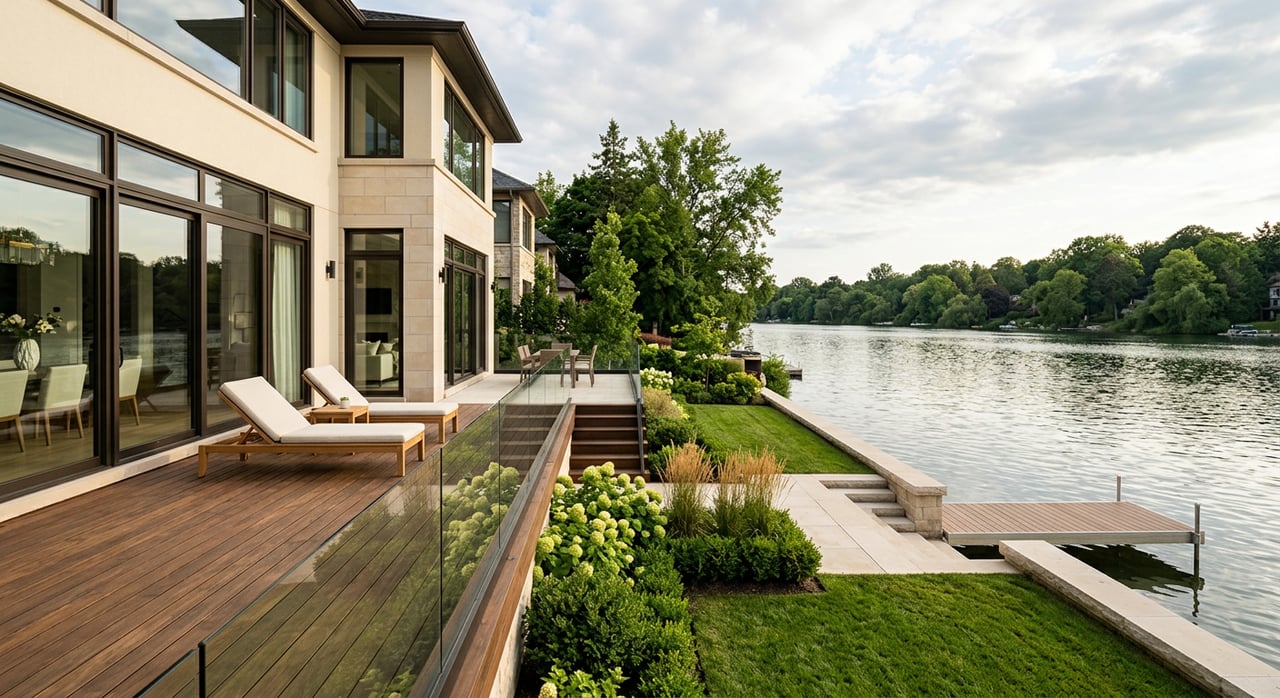
Water orientation affects how you live in the home and market it later. West-facing lots often advertise sunsets. Open-water positions feel expansive while cove locations can feel more sheltered. Prevailing wind exposure influences wave action. Lot shape also changes usable beach, dock placement, and privacy. Walk each lot at different times of day to confirm sun on decks and pools and to see how the view feels from key rooms.
What Stonewater homes offer
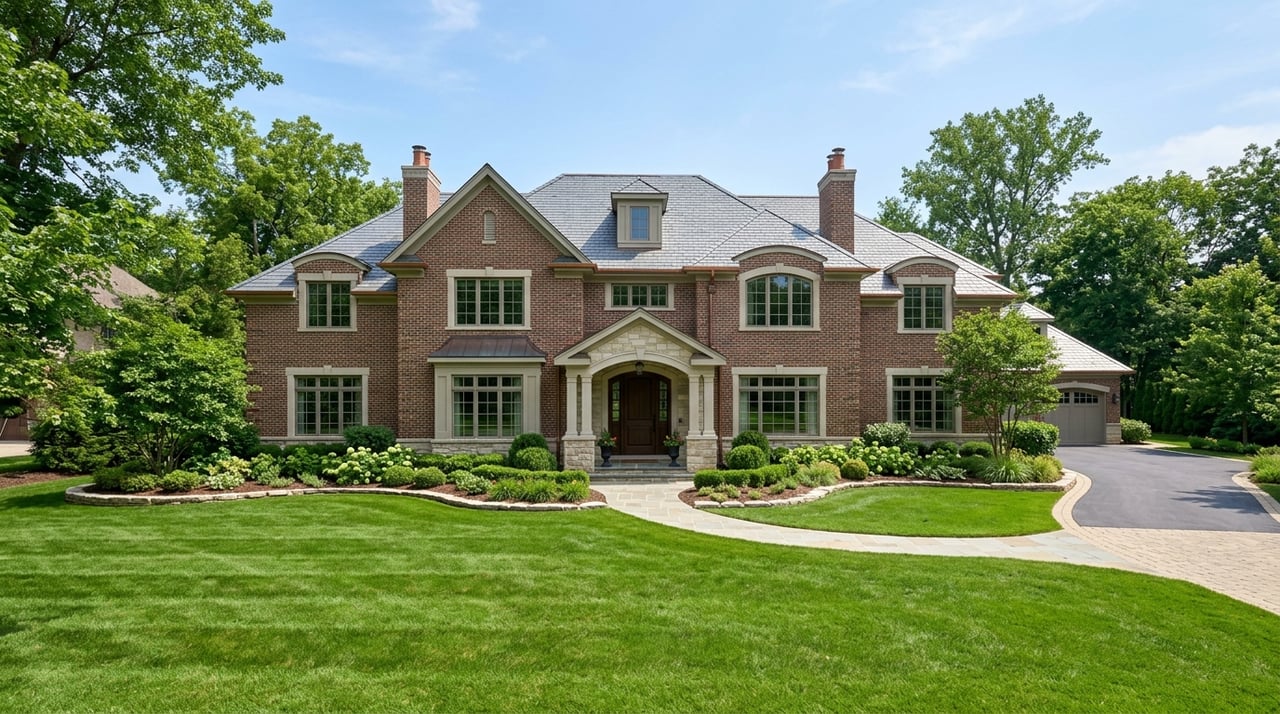
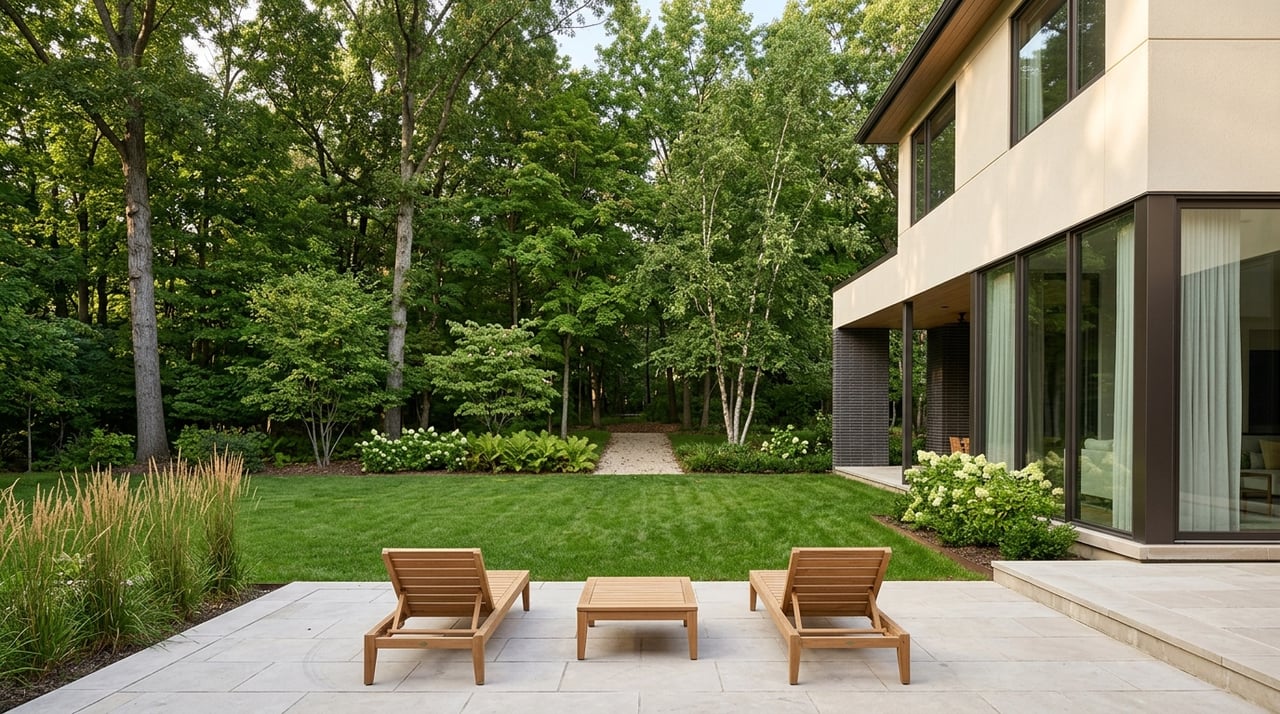
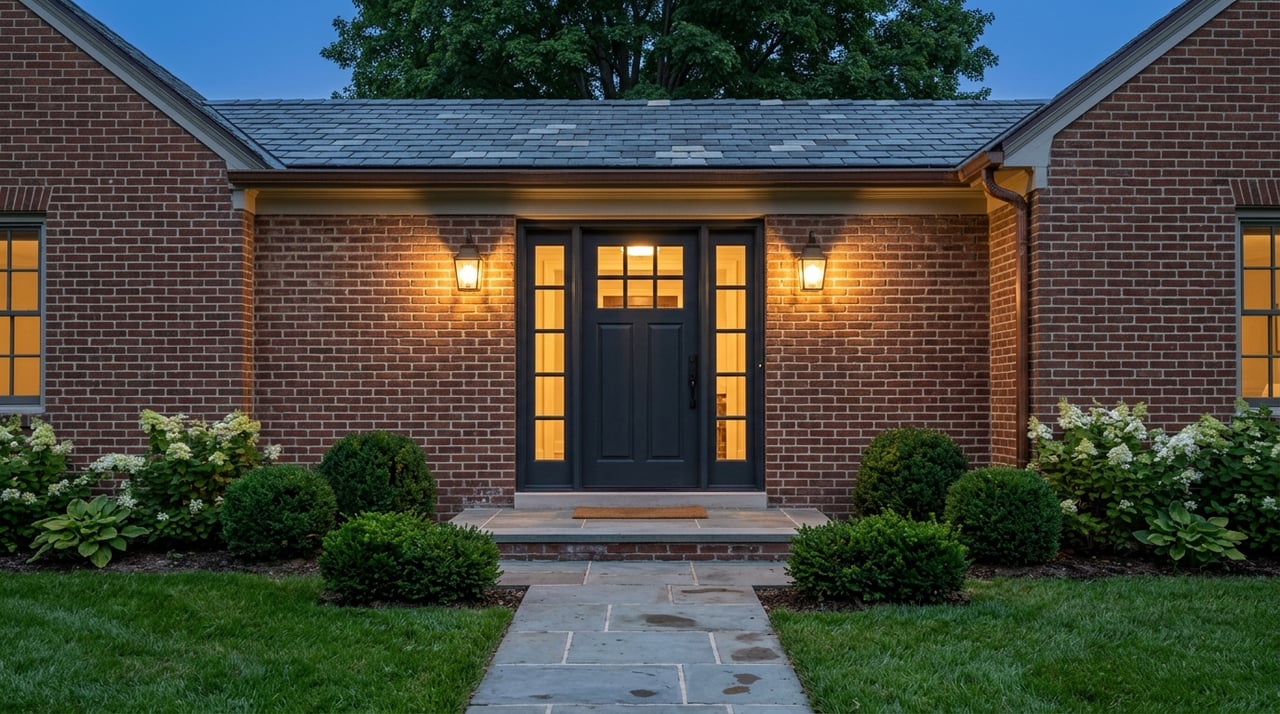
Waterfront properties here are largely custom or semi-custom single-family homes. Most range roughly from 3,000 to more than 6,500 square feet, often with 3 to 6 bedrooms, walkout lower levels, private docks or boat access, and outdoor living like terraced patios or a small beach area. Many homes show high-end finishes and multi-car garages. HOA dues vary by sub-phase and help fund lake treatments and common-area care. Ask for the current budget and whether any special assessments are planned.
How pricing and premiums work
Start with same-lake comps
Valuation for waterfront in Stonewater is not one-size-fits-all. Appraisers and experienced agents start with recent closed sales on the same lake, then look to nearby Stonewater lakes if needed. A thin comp set can increase appraisal risk, so plan your financing with that in mind and favor professionals who know lake properties. Research on lake-lot pricing highlights this risk for unique waterfront assets, as summarized in peer literature on lake-lot pricing.
Price per front foot and quality
On lakes, price-per-front-foot is a common quick check, especially for the land component. It varies by frontage length, beach quality, access, and the view you are actually buying. See a practitioner-friendly summary of this method on Michigan Lakes’ waterfront appraisal overview. Appraisers then adjust for orientation, privacy, dock and shoreline condition, water clarity, and whether the lake allows small electric motors.
Academic research also shows that water quality has a measurable effect on nearby property values. Better clarity and healthier lakes correlate with higher prices near the shore. That is one reason to review treatment plans and water-quality history. See the synthesis in this peer-reviewed study on water quality and prices.
Due diligence checklist
Use this short list to organize your pre-offer work.
Ask the HOA for these documents
- Lake Management Plan, this season’s treatment schedule, and recent treatment history. The HOA publishes these resources on the Lakes page.
- ACC approval history for any existing shoreline or dock work. Start with the Architectural Control Committee page.
- Governing documents, current budget, any reserve study, and 12–24 months of board minutes. See the Governing Documents page.
Inspect the shoreline and systems
- Hire a waterfront-experienced inspector to evaluate beach depth and sand quality, cobble or boulder wall condition, drainage outlets, and any signs of erosion or high-water impacts. Compare on-site conditions to the HOA’s Shoreline Requirements.
- Confirm dock status and bottomland rights. Seasonal private docks can be straightforward, but permanent structures may require EGLE permits. Use the state framework summarized by Michigan Sea Grant.
- Review water quality and invasive-species history, plus planned treatments and any swim restrictions after treatments. The HOA posts treatment notices and schedules on the Lakes page.
- Check flood exposure. Ask the HOA for the community’s design flood elevations and drainage notes, then get a FEMA flood-zone determination and insurance quote for the parcel.
- Inspect windows, doors, decks, sump pumps, drains, and backflow protections. Waterfront exposure can accelerate wear and raise moisture risks in walkout lower levels.
Legal, title and permitting
- Order a title search for riparian or bottomland rights, shoreline or access easements, and any shared outlot or dock rights.
- Verify whether any shoreline or wetland work falls under EGLE regulation before you plan changes. The Michigan Sea Grant overview outlines the state’s permitting framework.
- Review Stonewater’s development history and drainage responsibilities that continue with the HOA, summarized in the community’s How We Got To Now document.
Financing and insurance
- Appraisal: plan for a narrowed comp set and use a lender who can engage a waterfront-experienced appraiser. See the lake-lot pricing research for context on valuation complexity here.
- Flood insurance: obtain quotes early. Even with engineered drainage, lot-level exposure varies and premiums can affect carrying costs.
Negotiation playbook
- Pull same-lake comps first. If you use price per front foot, adjust for view, privacy, motor rules, and shoreline condition rather than relying on a simple average. A quick primer is available in the Michigan Lakes appraisal overview.
- Write inspection contingencies that target waterfront issues: shoreline and drainage, dock permit status, and water quality.
- If inspections reveal moderate shoreline repairs, negotiate an allowance or a post-close escrow to complete work that aligns with the Shoreline Requirements.
- Request HOA minutes and the current budget as a document contingency to surface any upcoming projects or assessments.
Resale outlook
Strengths that support value
- True private waterfront is scarce in metro suburban settings. Stonewater’s six-lake plan and limited frontage create constrained supply, which supports long-run demand. See community context on the HOA’s Lakes page.
- Walkable paths, parks, and consistent shoreline standards help maintain a cohesive look and feel.
Risks to monitor
- Lake health and invasive weeds or algae can change over time. Academic work shows water quality is capitalized into nearby property prices. Review treatment plans and water-quality results. See the peer-reviewed synthesis on water quality and prices.
- Regulatory changes and assessments can occur, including EGLE permitting or floodplain updates, as well as lake infrastructure maintenance by the HOA. Community history and obligations are outlined in How We Got To Now.
- Appraisal risk is higher with unique waterfront properties. Plan for a negotiation path if the appraisal returns below contract value. See context in the lake-lot pricing literature.
Work with a waterfront specialist
Buying in Stonewater is about more than loving the view. It is a technical purchase with rules, permits, water management, and valuation nuances that reward careful preparation. If you want a clear plan for price, risk, and long-term enjoyment, request a private consultation with Proper Real Estate. Our data-informed approach and local network help you secure the right lake home with fewer surprises.
FAQs
Are Stonewater’s lakes private and managed by an HOA?
- Yes. The six lakes are private community lakes with boating and fishing rules and a posted lake-management program on the HOA’s Lakes page.
What boats are allowed on Stonewater lakes?
- Gas engines are prohibited. Electric motors up to 3 HP are allowed on Parkshore, Teal and Stoneridge. Spring Hill, Heather and Mystic are non-motorized. See rules on the HOA Lakes page.
Can I add sand or build a bigger dock at a Stonewater home?
- Not without approvals. Any shoreline change needs ACC approval, and adding sand below the high-water line requires an EGLE permit. Permanent docks may also need permits. Review the Shoreline Requirements and the Michigan Sea Grant legal overview.
How are waterfront premiums determined in Stonewater?
- There is no single percent. Start with same-lake comps, then use price-per-front-foot as a land barometer and adjust for view, privacy, motor rules, shoreline condition, and water quality. See Michigan Lakes’ appraisal overview and the water-quality pricing study.
What due diligence should I complete before making an offer?
- Request the HOA’s Lake Management Plan and treatment schedule, ACC approval history, governing docs and minutes, and get a shoreline inspection plus verification of any dock permits. Start at the HOA Lakes page and ACC page.
Do Stonewater homes require flood insurance?
- Lot-level exposure varies. Ask for the community’s design flood-elevation data, order a FEMA flood-zone determination, and obtain quotes before removing contingencies. The HOA shares lake and drainage context on the Lakes page.